Legal and Regulatory Due Diligence for Business Expansion: What Companies Should Review
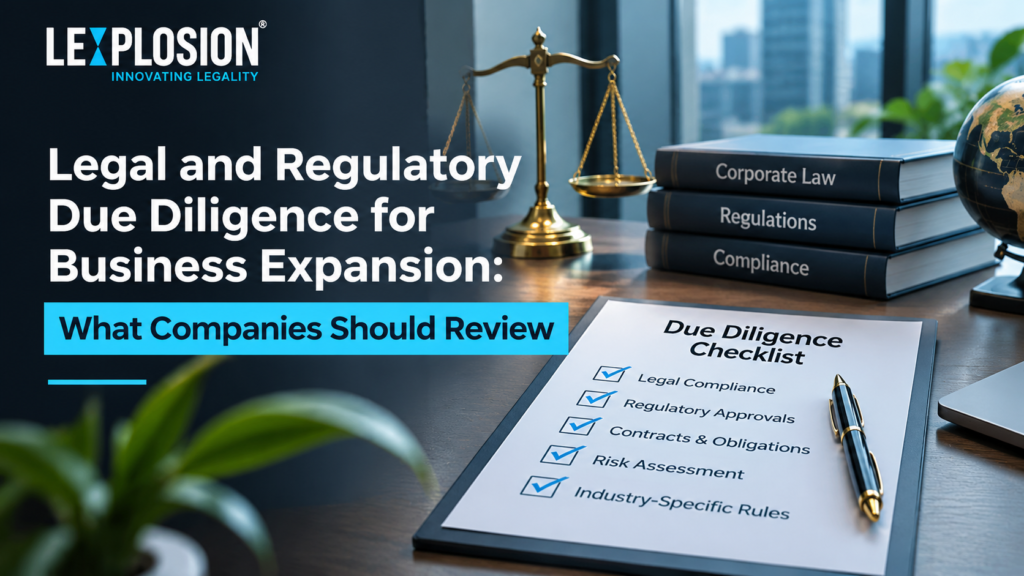
Business expansion creates new opportunities, but it can also introduce legal and compliance challenges. Companies should review applicable laws, obtain required approvals, and identify potential issues before committing resources.
Conducting regulatory due diligence helps businesses understand their obligations, reduce compliance risks, and prepare for a smoother expansion.
Why Is Legal and Regulatory Due Diligence Important Before Expansion?
Expanding into a new market requires companies to understand the legal requirements that apply to their location, operations, workforce, and industry. Legal compliance due diligence helps identify legal issues and confirm whether planned activities meet applicable requirements.
Companies can use legal risk management solutions to organize compliance records, track regulatory changes, and monitor deadlines. Reviewing these obligations early helps businesses avoid unexpected costs, licensing issues, operational restrictions, and delays during expansion.
Which Laws and Regulations Apply to the New Market?
Before the market expansion, the organisation needs to conduct an initial review to identify the laws that apply to the expansion, as requirements vary by location, industry, and business activity. It also has to map relevant federal, state, and local rules, including any additional registrations or approvals needed for new facilities, products, or services.
This initial review by the company establishes which authorities the company must contact and which approvals it needs before beginning operations. Such review includes the activities mentioned below in detail:
| Area to Review | What to Determine |
|---|---|
| Business registration | Whether the company must register as a foreign entity or establish a separate legal entity. |
| Industry regulations | Rules governing the proposed products, services, or commercial activities. |
| Local requirements | Zoning rules, municipal permits, and location-specific restrictions. |
| Reporting obligations | Required filings, disclosures, and regulatory notifications. |
Are All Licenses, Permits, and Registrations in Place?
Licensing requirements should be checked early because approval processes can affect project timelines. Some activities require general business licenses, while others need specialized permits or professional certifications.
Companies should confirm which licenses apply to their new location and whether existing approvals remain valid after the expansion.
The areas mentioned below need to be reviewed before proceeding:
- Business licenses: Check registration, operating permits, and local business authorization requirements.
- Professional approvals: Identify certifications required for regulated services or specialized activities.
- Facility permits: Review construction, occupancy, fire safety, and other site-related approvals.
- Renewal conditions: Check expiry dates, renewal procedures, and ongoing reporting requirements.
A regulatory exposure review can help identify activities that may trigger additional approvals or restrictions. Companies should also confirm whether permits must be obtained before construction, equipment installation, hiring, or commercial operations begin.
What Employment Laws Must the Company Follow?
Entering a new state or expanding a workforce can create additional employment obligations. Requirements may differ for wages, working hours, employee benefits, workplace safety, leave, and termination procedures.
Before hiring employees in a new location, the applicable federal and state employment laws need to be reviewed. Businesses should also examine contractor arrangements, remote work policies, and payroll responsibilities.
Important areas to check include:
- Minimum wage, overtime, and working-hour requirements.
- Employee classification and independent contractor rules.
- Workplace safety and mandatory training.
- Anti-discrimination policies and employee protections.
- Payroll taxes, insurance, and required employment filings.
- Leave entitlements and termination procedures.
Companies should update employment contracts, policies, and internal procedures where necessary. These steps help ensure that workforce expansion remains consistent with local legal requirements. For a closer look at wage-related obligations, see our analysis of the Code on Wages (Central) checklist changes.
How Should Environmental and Facility Requirements Be Reviewed?
Opening a facility or expanding operations may create environmental and property-related obligations. Companies should check land-use rules and obtain required approvals, as existing permits may not cover new activities.
The areas to be focused on:
- Land use and zoning: Confirm that the property permits the intended commercial or industrial activity.
- Environmental permits: Check requirements related to emissions, wastewater, waste disposal, and resource use.
- Building and fire safety: Verify construction approvals, occupancy permissions, and applicable safety standards.
- Hazardous materials: Review storage, handling, transportation, and disposal obligations where relevant.
- Ongoing monitoring: Identify inspections, environmental reporting, and renewal requirements.
Companies should also review lease terms, property restrictions, and responsibility for repairs or environmental compliance before signing facility agreements.
Do Industry-Specific Laws Affect the Expansion?
Certain industries must follow additional requirements beyond general business laws. Financial services, healthcare, food production, manufacturing, and technology businesses may need specialized approvals, safety standards, and reporting procedures.
Companies should review the rules related to their specific activities, including product quality, consumer protection, data privacy, cybersecurity, industry registrations, trade restrictions, and recordkeeping.
When entering a new industry, businesses should also check whether their existing policies and systems meet these requirements. Qualified legal or compliance professionals can help clarify complex regulations and identify necessary actions.
How Can Companies Identify and Address Compliance Gaps?
The applicable requirements are to be compared with existing policies, contracts, and licenses to identify compliance gaps. A business expansion risk assessment helps prioritize issues based on their impact on costs, operations, and timelines.
The following process may be used for business expansion risk assessment:
Step 1: Collect Records
Gather licenses, permits, contracts, policies, and relevant compliance reports.
Step 2: Compare Requirements
Check existing practices against the laws applicable to the new location or activity.
Step 3: Identify Gaps
Document missing approvals, incomplete records, and noncompliant procedures.
Step 4: Prioritize Issues
Address legal restrictions and high-impact compliance risks first.
Step 5: Assign Responsibility
Set deadlines and designate teams or individuals to complete each action.
Step 6: Verify Completion
Retain evidence showing that corrective actions have been completed.
Companies can use regulatory assessment services to support this review, especially when entering unfamiliar jurisdictions or highly regulated industries. A compliance gap assessment can further help organize findings into an actionable improvement plan. Our guide on preparing for regulatory audits in India covers related preparation steps.
How Can Technology Support Ongoing Compliance?
Legal and regulatory reviews should continue after the expansion begins. New rules, changing business activities, and expiring permits can create additional obligations over time.
Technology can help companies manage these responsibilities through centralized records, automated reminders, and clear reporting processes. Useful capabilities include:
- Centralized documentation: Store licenses, permits, contracts, and regulatory records in one accessible location.
- Deadline tracking: Set reminders for renewals, filings, inspections, and reporting dates.
- Regulatory monitoring: Track relevant legal changes and identify requirements that may affect operations.
- Task management: Assign compliance actions and monitor their completion.
- Audit trails: Maintain evidence of reviews, approvals, and corrective measures.
A suitable system improves visibility and accountability, but it does not replace legal advice or the need to verify requirements with the relevant authorities. Learn more about how automated compliance monitoring supports corporate governance.
Prepare Your Business for a Compliant Expansion
Successful expansion requires more than a strong commercial strategy. Companies must understand the legal obligations that come with entering new markets, opening facilities, hiring employees, or introducing new activities. A structured regulatory due diligence process helps identify potential issues early and establish clear steps for addressing them.
With careful planning and ongoing compliance monitoring, businesses can reduce avoidable risks and build a stronger foundation for sustainable growth. Lexplosion can help companies organize their compliance efforts and prepare for expansion with greater clarity.
Key Takeaways
- Map federal, state, and local regulations before entering a new market.
- Verify licenses, permits, registrations, and renewal conditions before operations begin.
- Review employment, environmental, facility, and industry-specific requirements.
- Identify compliance gaps and prioritize issues that could delay expansion.
- Use centralized systems to track regulatory changes, deadlines, and corrective actions.
- Seek qualified legal guidance when requirements are complex or uncertain.
Frequently Asked Questions
1. What is legal and regulatory due diligence in business expansion?
It is the process of reviewing applicable laws, licenses, contracts, permits, and compliance obligations before entering a new market or changing business operations.
2. When should a company conduct due diligence before expanding?
Companies should begin before making major financial commitments, signing facility agreements, hiring employees, or starting activities that require regulatory approval.
3. Which documents should businesses review before expansion?
Relevant documents include business registrations, licenses, permits, employment contracts, property agreements, compliance policies, environmental approvals, and regulatory filings.
4. Can legal requirements differ between states?
Yes. States and local authorities may have different licensing, employment, environmental, zoning, and reporting requirements. Businesses should verify the rules applicable to each location.
5. How can Lexplosion help businesses prepare for expansion?
Lexplosion can support businesses in organizing their legal and compliance review, identifying potential regulatory gaps, and managing compliance responsibilities. Companies should ensure that their review covers the requirements relevant to their specific expansion plans.

Lexplosion Solutions
https://lexplosion.in/Lexplosion Solutions Private Limited is a pioneering Indian Legal-Tech company that provides legal risk and compliance management solutions through cloud-based software and expert services.